
How nonprofits can harness eco printing, reduce waste and optimise cost while still getting value from printed campaigns and fundraising materials.
Spend time on a proper marketing strategy that includes eco printing
Start with the audience. A marketing strategy will give insight into your audience and where they really spend their time consuming content. Only then can you work out how ethical, eco printing comes into the equation.
Not every supporter needs every printed item, so identify where physical communication genuinely adds value. If you don’t have a dedicated digital impact strategist for your campaigns, consider hiring a temporary contractor or freelancer. They can help you come up with ideas for making more impact online.
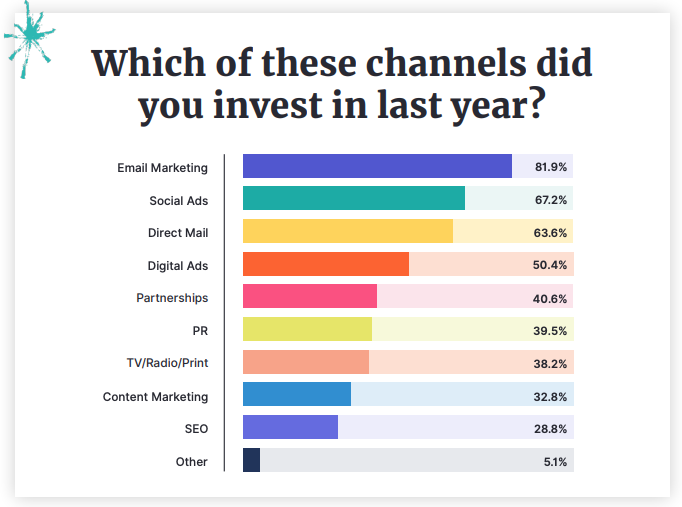
There are some decent industry resources such as The State of Nonprofit Marketing 2024 report from Feathr which covers design and printing strategy. While moving more of your materials online and away from print will reduce the environmental impact of your campaigns, print (such as direct mail) still makes up a large percentage of effective strategies to reach your audience.
Print with recycled paper
Choose recycled post-consumer waste recycled paper stocks for your campaign printing. Don’t opt for virgin paper, as most of the items being printed are likely to be thrown away post-campaign.
Think about the circular economy – how can you give your printing a second life
Where possible, ask your designer for creative ways to reduce any waste your campaign produces. For example, if you’re designing a flyer for a campaign, consider an illustrated bookmark instead. People can use it again and again. This keeps the campaign fresh in people’s minds. It also gives the printed item a much longer life.
Use data to help make decisions around eco printing
Use previous campaign data to estimate realistic quantities. Avoid large print runs simply because the unit cost falls at higher quantities. Print only as many items as you need. Or partner with a printer that turns jobs around quickly, so you can reorder easily when stock runs low.
Impact and annual report printing
For the eco printing of impact reports and other reports, consider a targeted physical run for key stakeholders alongside a digital edition for the wider audience. This can preserve the value of print without unnecessary production. For example, we recently helped a non-profit client turn a long Oxford report into a 4 page ‘impact summary’ version that could be printed and given to key audiences.
We also wrote a guide on the Ethical Design Co. blog about designing annual reports for more sustainable outcomes (including for print).
Conclusion
The best print decisions for non-profits are rarely about choosing one material, process or technology in isolation. They come from considering the purpose of the piece, the audience, the quantity, the design and the production method together. That is where a knowledgeable printer can add value — helping you produce something that looks good, works properly, gets your campaign to your audience, and avoids unnecessary production or waste.
Need a program, guide or annual impact booklet? See our booklet printing on 100% recycled paper.
- Eco-friendly booklet printing: 9 ways to reduce your impact
- How to set up your booklet artwork for print
- Saddle stitch vs perfect bound vs wire bound: which booklet binding is right for you?
- Wall Calendar vs Desk Calendar: Which Should Your Organisation Print?
- Eco Printing for Nonprofits: How to Reduce the Environmental Impact of Campaign Materials